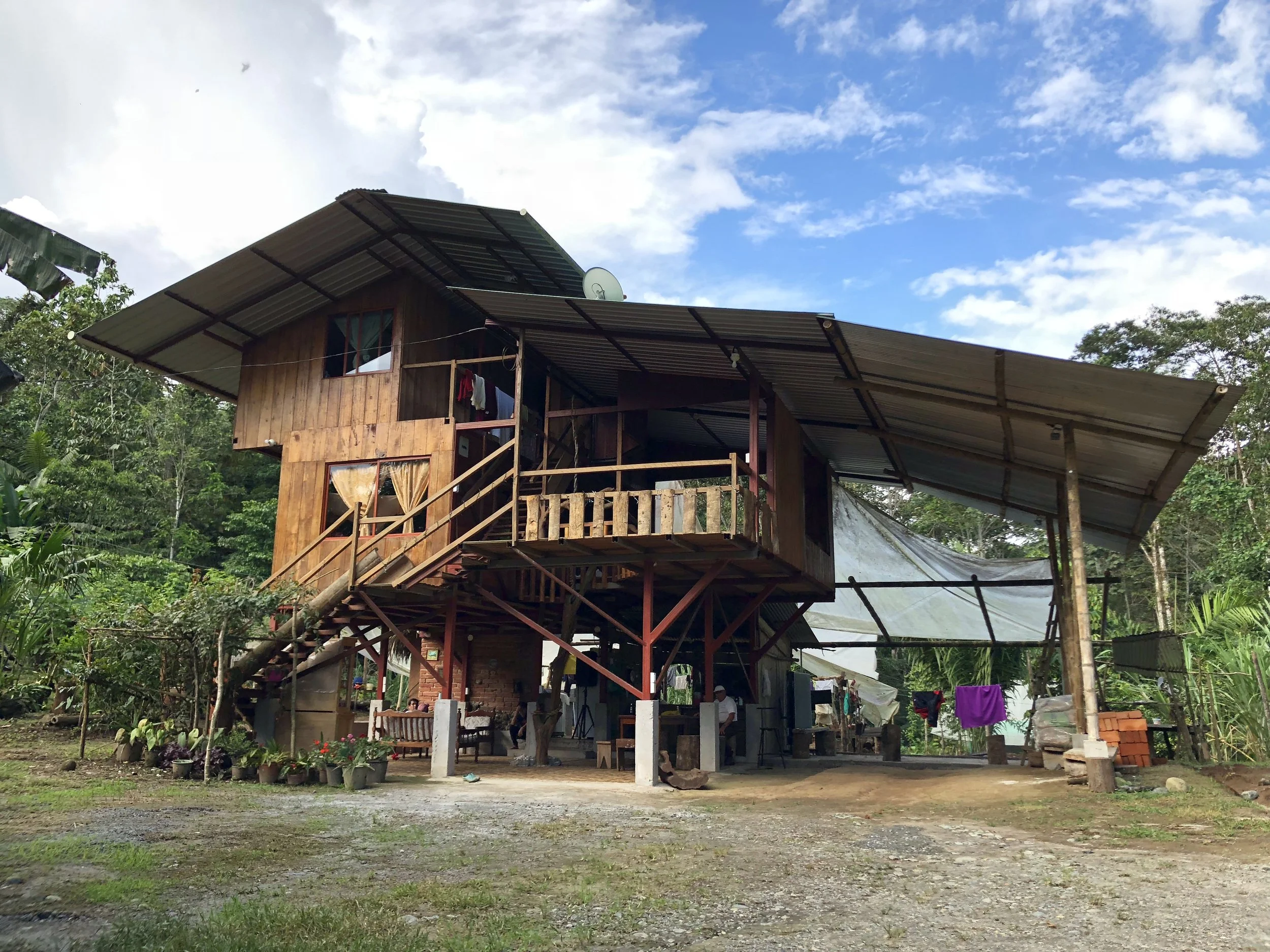
Teaching: Finding Genuine Design Opportunities, Ecudaor
In 2018 a small community organization in rural Ecuador called Nido de Vida approached my organization, The Center for Socially Engaged Design (C-SED) at the University of Michigan, wondering if we might consult with them on the implementation of clean energy solutions for their organization based in a small dairy farming community called La Bolivarense. They were curious if we could help them determine which energy solution (ex: wind, solar) might be a good fit for their geographic location and energy needs.
I brought this project into a course I teach at C-SED called “Finding Genuine Design Opportunities” where 4 undergraduate students spent 8 weeks living and working in La Bolivarense better understanding the assets and needs of residents through side-by-side work and interviews conducted in spanish. While our team, whose fieldwork I supervised, had an ear toward energy needs, their focus was not on the identification of energy technologies, but on understanding the assets and needs of residents of the community more broadly. Our partner organization was open to this because, while they were interested in energy, their main goal was bettering the livelihoods of rural Ecuadorian farmers through collaboration and education. My students conducted around 40 interviews with community members and synthesized data to come up with a list of priority challenges that residents expressed. These priorities we presented back to our partner organization and residents of La Bolivarense at the end of the eight week fieldwork. While consistent and reliable electricity was a topic of interest, the highest priority on the list was that community members felt they lacked a strong organizing body to be able to advocate better for themselves instead of relying on external sources (like us and our partner NGO) to communicate their needs.
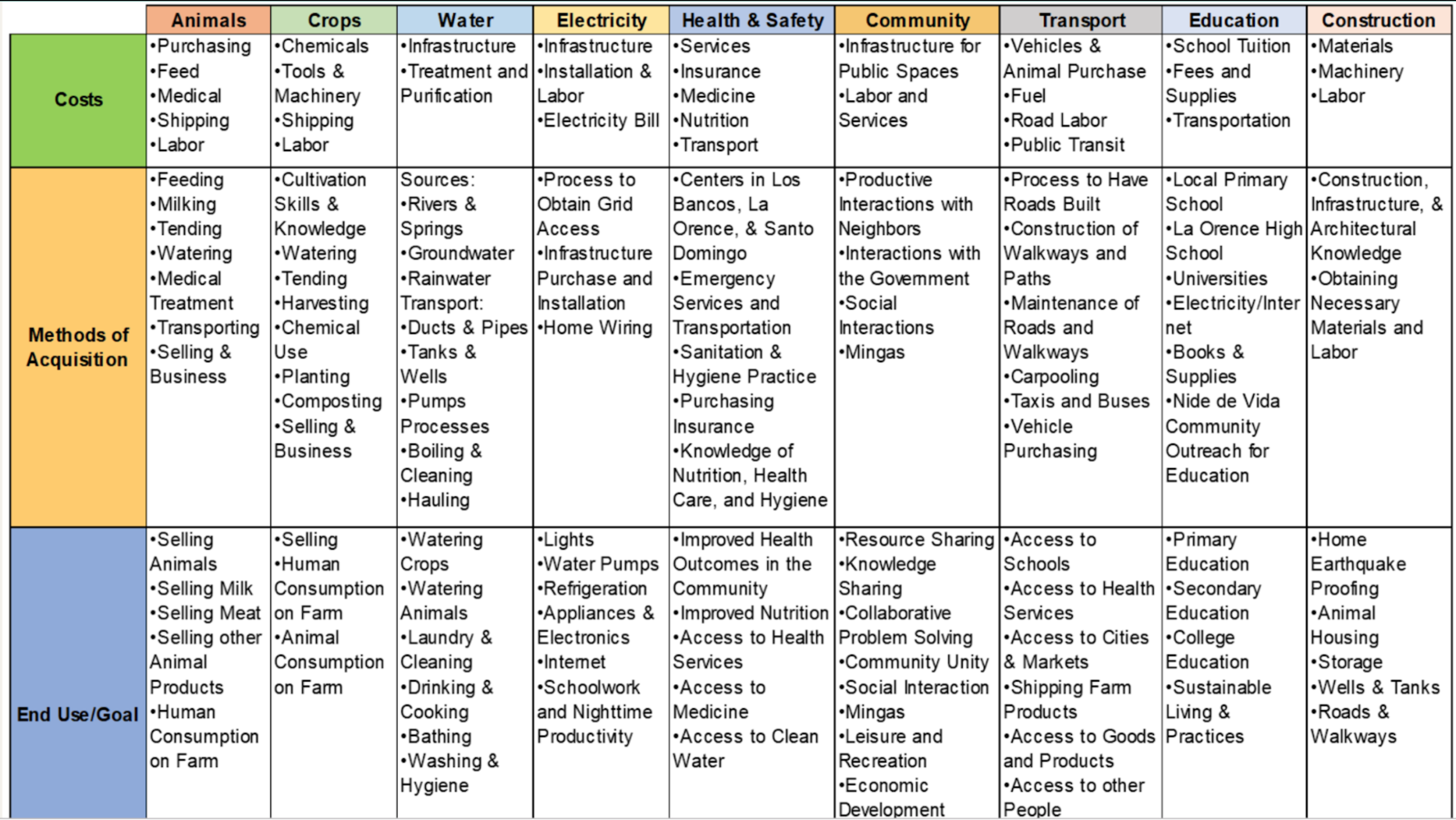
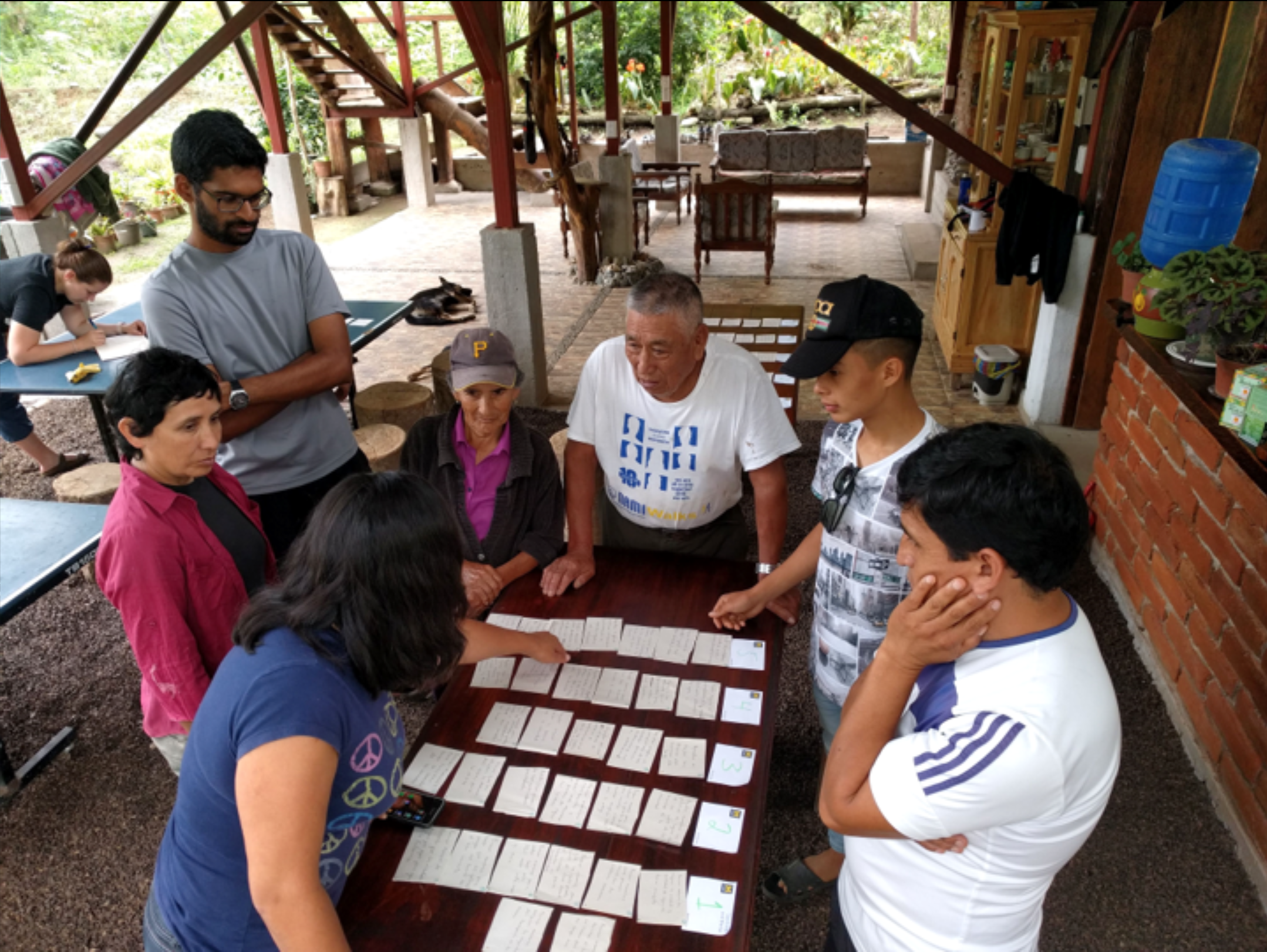
This data and insight allowed our partner organization and the community of La Bolivarense to pivot. Instead of focusing on technology solutions, they began to collectively focus on community organization and policy advocacy work to bring attention to their needs to local and national government. This outcome resulted in the formation of a registered Ecuadorian community association which has a rotating board of residents that drive its initiatives. The association has worked to bring local government leaders into the community to talk about water access and built communication channels that never before existed in between neighbors about things that are of mutual importance.
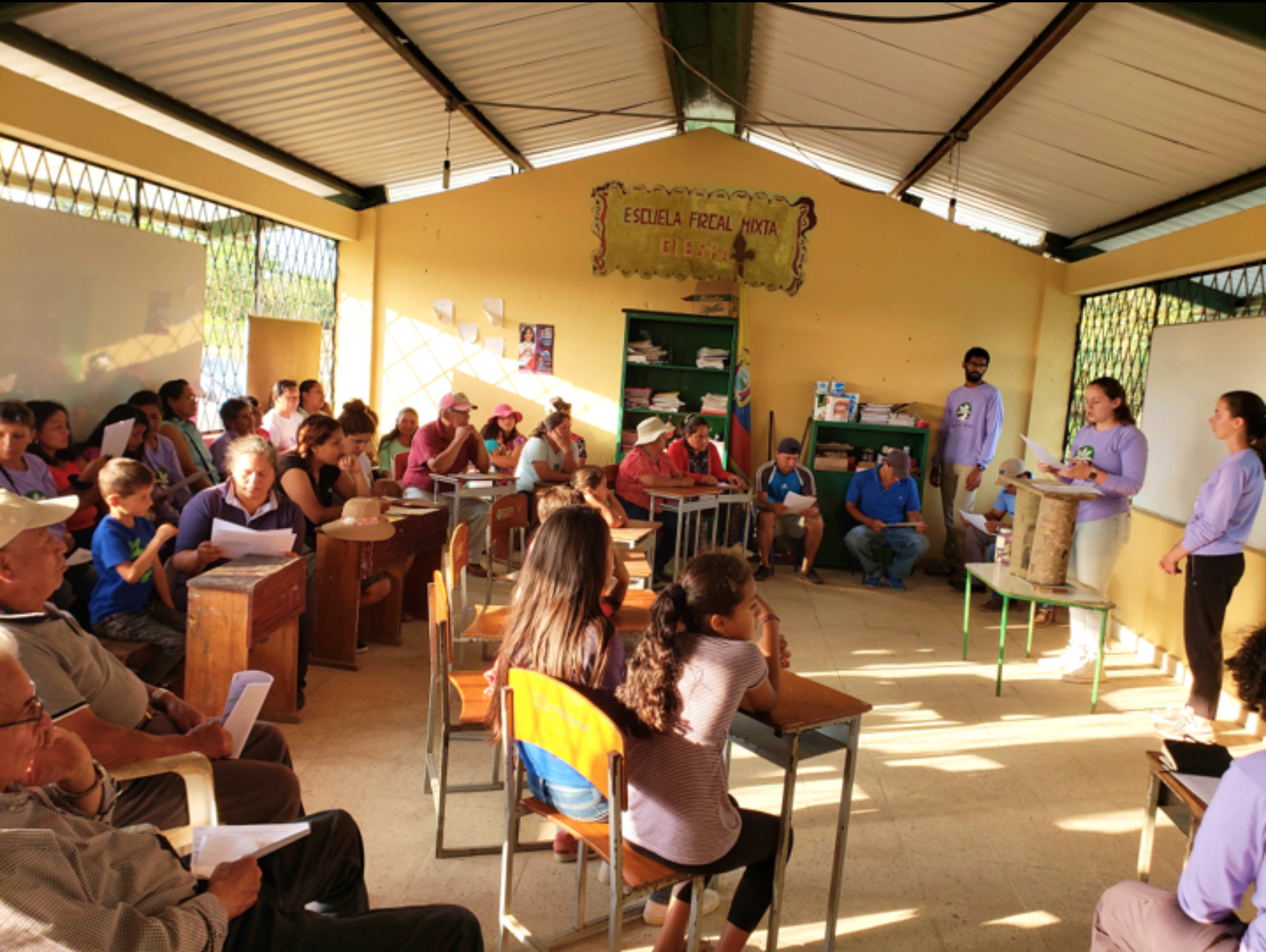
Our design research efforts resulted in a solution that community members and our partner organization, Nido de Vida, were energized by - one that actually met a priority need that was addressed by residents of the community itself. I’m proud of this because from the perspective of an educator and an administrator of a university program, we were able to offer a counter to the problematic pattern of external academic or technical experts bringing technological solutions to communities they are not part of who may or may not want them. For the students involved, this was such an important experience that allowed them to see how they and their chosen field of design could have impacts in the world in new ways and the importance of approaching challenges with humility. For me, this story is a reminder that I do not have the answers and that design teams do not have the answers, but that communities have the expertise to chart their own paths forward toward solutions that work best in their contexts. As designers and design researchers, we can be facilitators of a process, but can’t and should not pre-suppose outcomes.
Student Team: Cameron Beversluis, Emily Brady, Erin Maher, Raghav Muralidharan