Finding Genuine Design Opportunities
ENGR 2/3/455
How do designers know they are working on the right problem? In this experiential course, students learn to use socially engaged design methods to understand people’s experiences, identify unmet needs, and define meaningful opportunities for design. Through interviews, observations, and collaborative fieldwork, students learn to engage respectfully with communities, question their own assumptions, and understand the social, cultural, environmental, and technical contexts that shape design challenges.
Working with community partners in the United States and internationally, student teams spend six to eight weeks investigating local priorities and identifying opportunities for future design work. They share their findings and recommendations with partners, producing research that can inform real-world decisions and lay the groundwork for future solutions.
Taught through the Center for Socially Engaged Engineering & Design at University of Michigan
Winter & Spring 2018, Winter & Spring 2019
Course Partners / Fieldwork Sites
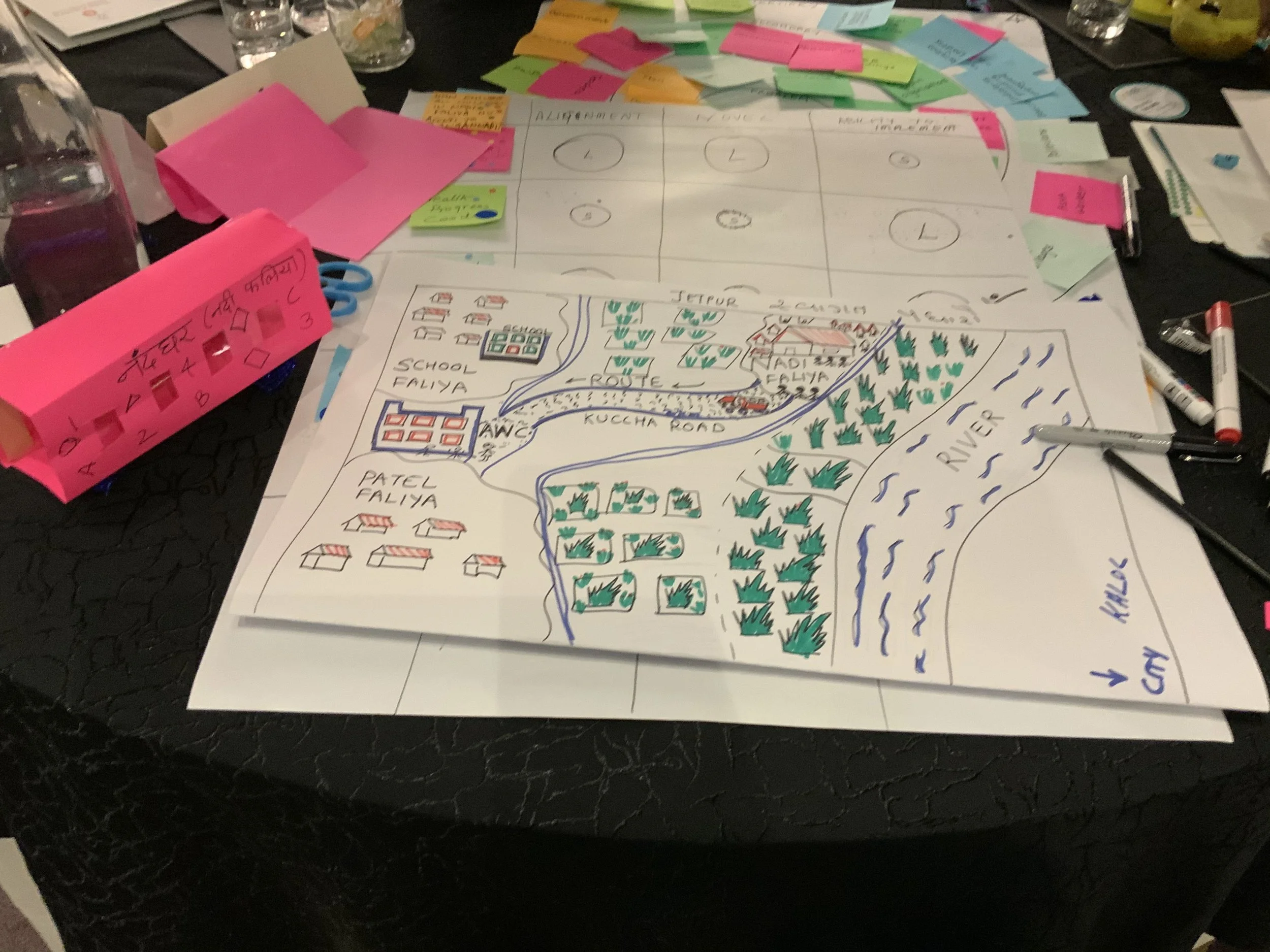
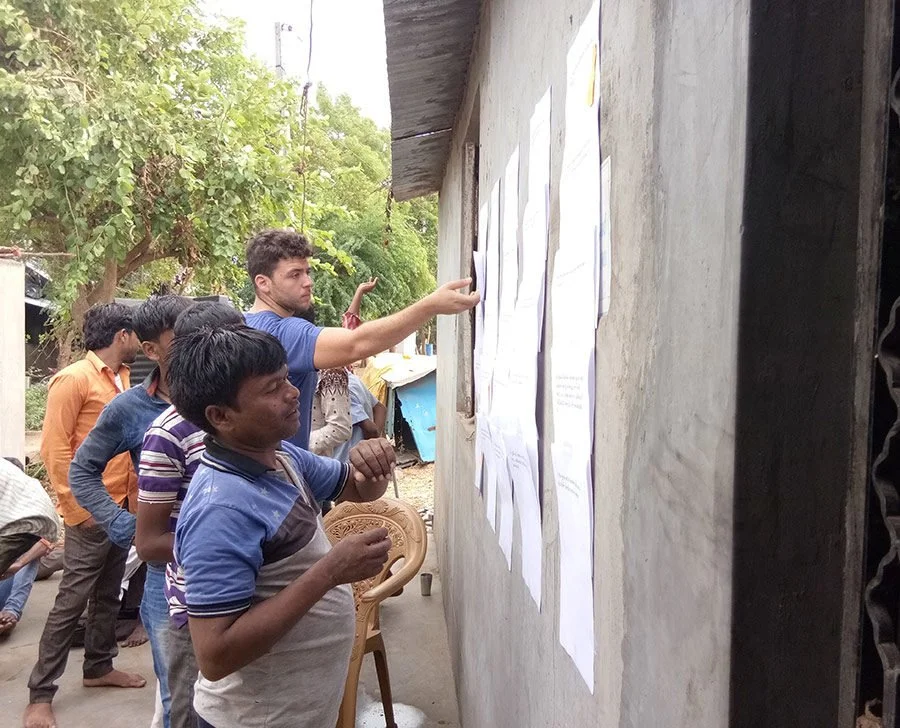
SETCO Foundation — Gujarat, India
Students worked with a foundation focused on health, nutrition, education, and initiatives for women and children. Through interviews, focus groups, and community mapping in four rural villages, they investigated residents’ priorities to help inform the foundation’s future programs and strategy.
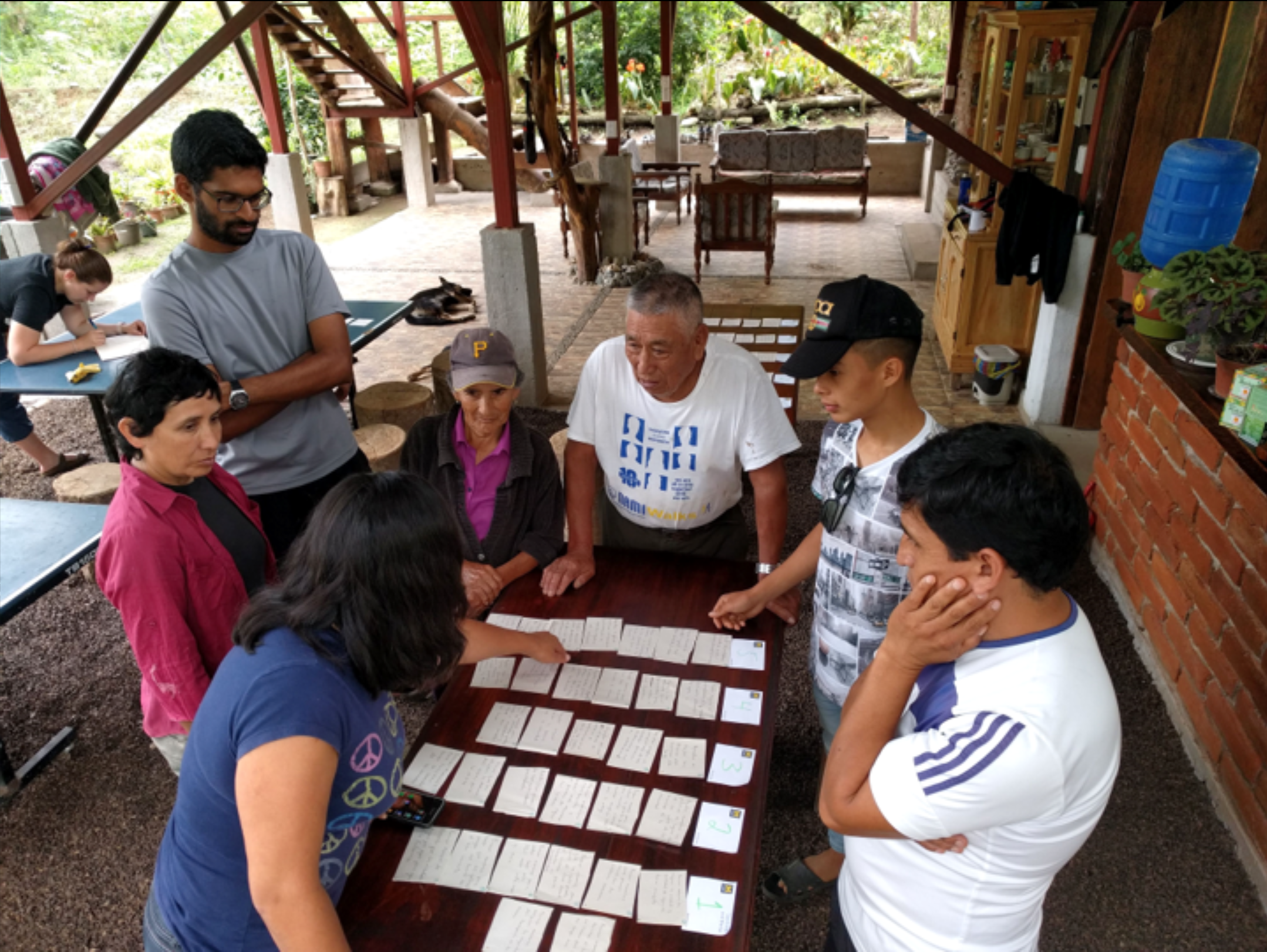
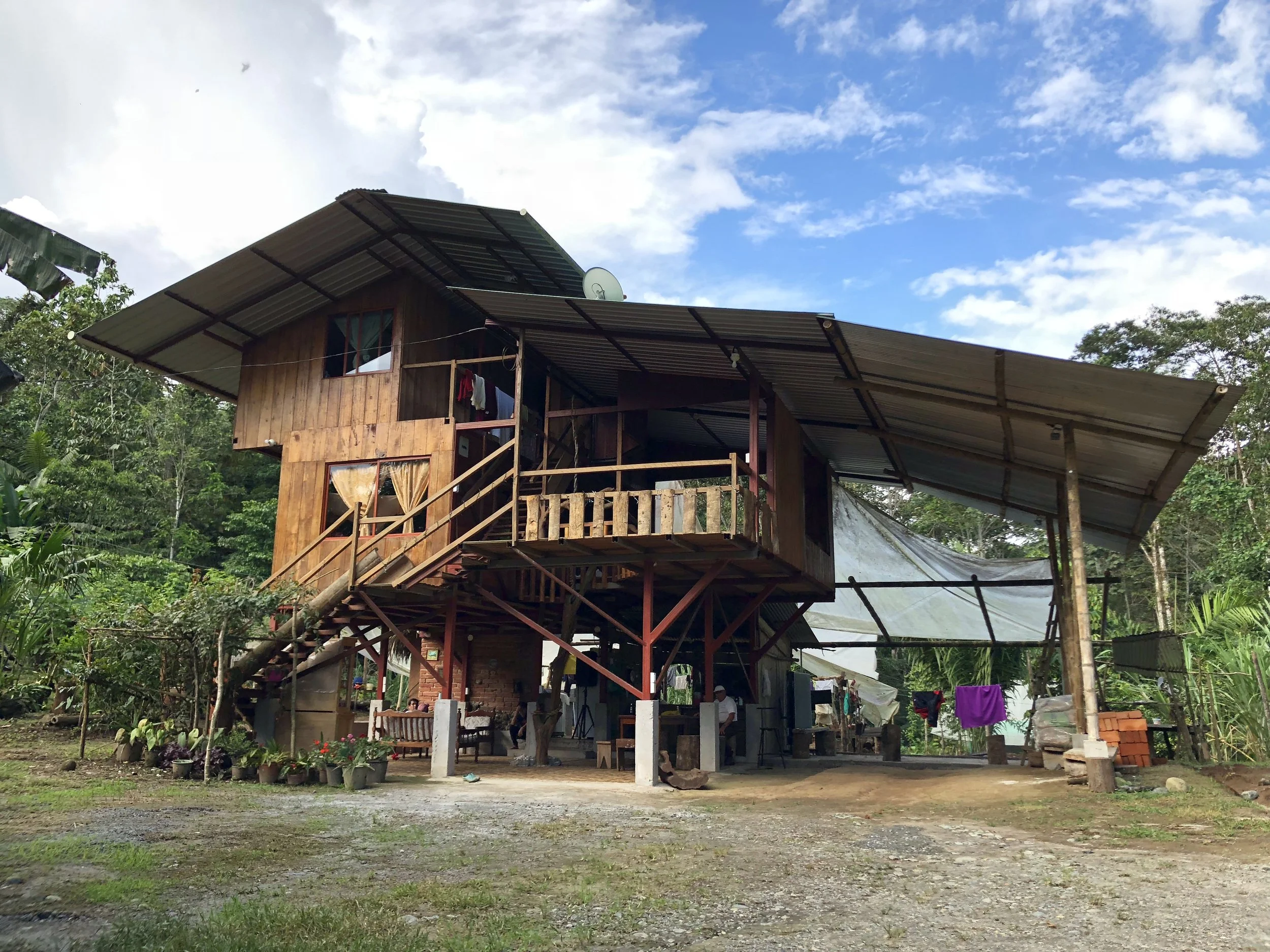
Nido de Vida — La Bolivarense, Ecuador
Partnering with a family-run educational and agricultural association, students mapped local water sources and investigated how they were used, along with related barriers and health risks. Their research helped the community better understand local water challenges and explore potential responses to water access and deforestation concerns.
City of Ann Arbor Office of Sustainability and Innovations — Michigan, USA
Students explored how Ann Arbor residents understand resilience, prioritize neighborhood challenges, and prepare for climate-related emergencies. Their findings helped inform plans for a pilot resilience hub in southern Ann Arbor, designed to support residents and coordinate resources and services during disruptions.